
Samsung Galaxy Watch 9 Review: The Everyday Smartwatch That Gets Most Things Right
The Samsung Galaxy Watch 9 is a well-rounded smartwatch with a comfortable design, a bright display, smooth performance, and a useful collection of health features. But should you buy it?
- Tech News
- 9 min read

Smartwatches have evolved from glorified notification screens into devices that can track our health, monitor sleep, and help us make sense of our daily routines. Samsung's Galaxy Watch 9 continues that evolution, bringing a faster processor, more detailed health insights, and AI-powered features to its mainstream smartwatch range.
However, the Galaxy Watch 9 is also a familiar proposition, particularly if you own its predecessor. It retains the same overall design and display dimensions as the Galaxy Watch8, with the improvements largely focused on performance, health tracking, and battery capacity.
I have been using the 44mm LTE version, priced at ₹44,999, as my everyday smartwatch. While it delivers a smooth experience and offers useful health insights, its battery life remains a concern. Here is what I liked and what I think Samsung could have done better.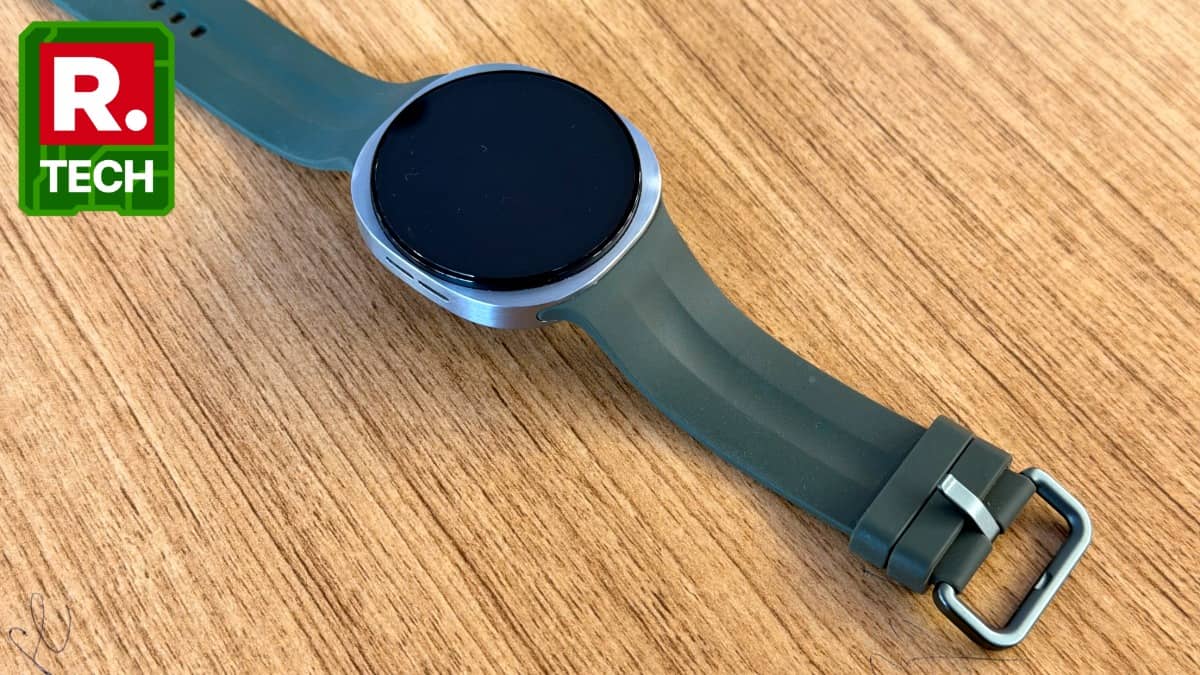
What's Good
A familiar design that works with almost anything
The Galaxy Watch 9 looks very similar to the Galaxy Watch 8. It retains Samsung's cushion-shaped case surrounding a circular display, with the screen sitting slightly proud of the casing. I like how this design gives the watch some depth without making it look overly sporty.
The result is a smartwatch that works with both casual clothing and formal outfits. It does not have the imposing appearance of the Galaxy Watch Ultra 2, making it a more practical choice for everyday wear.
The 44mm model fits comfortably on my slightly broad wrist. If you have smaller wrists, Samsung also offers a 40mm version. The silicone Sport Band is comfortable enough for extended wear, including overnight, without becoming irritating.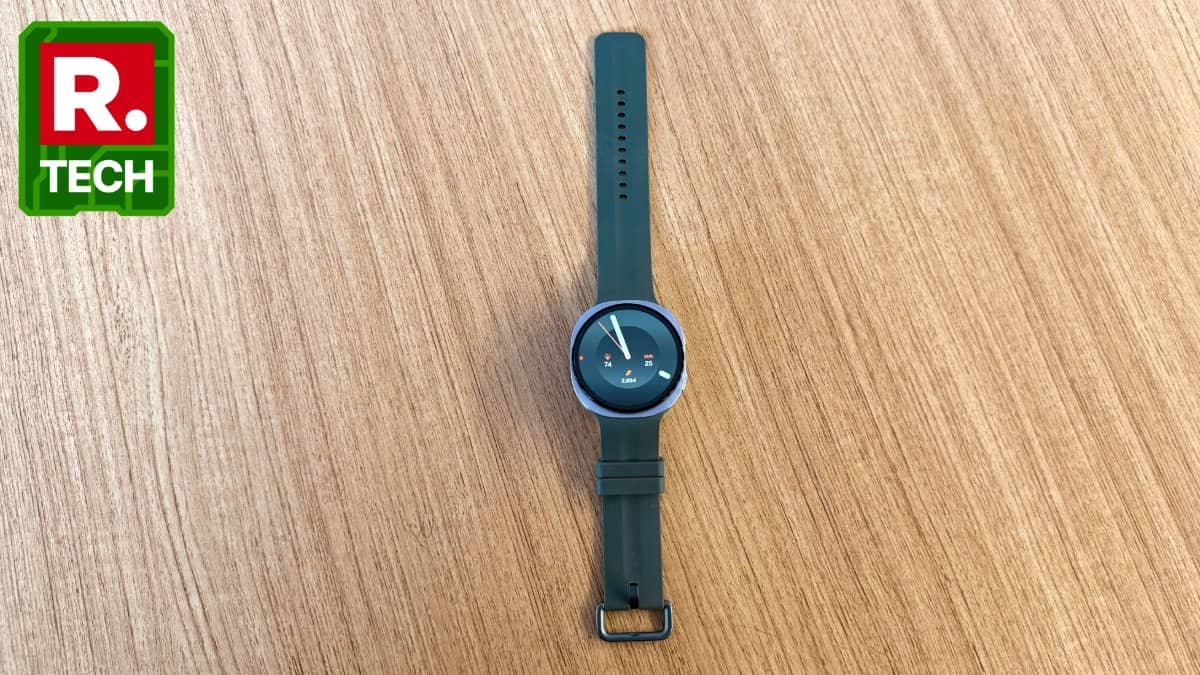
Samsung has also used Armor Aluminium 2 for the casing. The watch feels sturdy, and I was not particularly concerned about minor brushes against walls or wooden desks. It is rated for 5ATM water resistance and IP68 protection, alongside MIL-STD-810H durability testing. That makes it suitable for everyday exposure to water and dust, although it is not indestructible.
The Galaxy Wearable app handles setup and customisation, including changing the orientation for left- or right-wrist use. It is straightforward to get started, particularly if you already own a Samsung smartphone.
The display is bright, sharp, and practical
Samsung has retained the 1.47-inch Super AMOLED display on the 44mm Galaxy Watch 9, with a resolution of 480 x 480 pixels. It is sharp enough to display notifications, health readings, and app interfaces clearly, while the generous screen area makes navigating the watch relatively comfortable.
I could check health metrics and read notifications without constantly scrolling. The screen is also large enough to use apps, make calls, and respond to messages. Typing directly on it can lead to accidental touches, though, so I found voice dictation more convenient.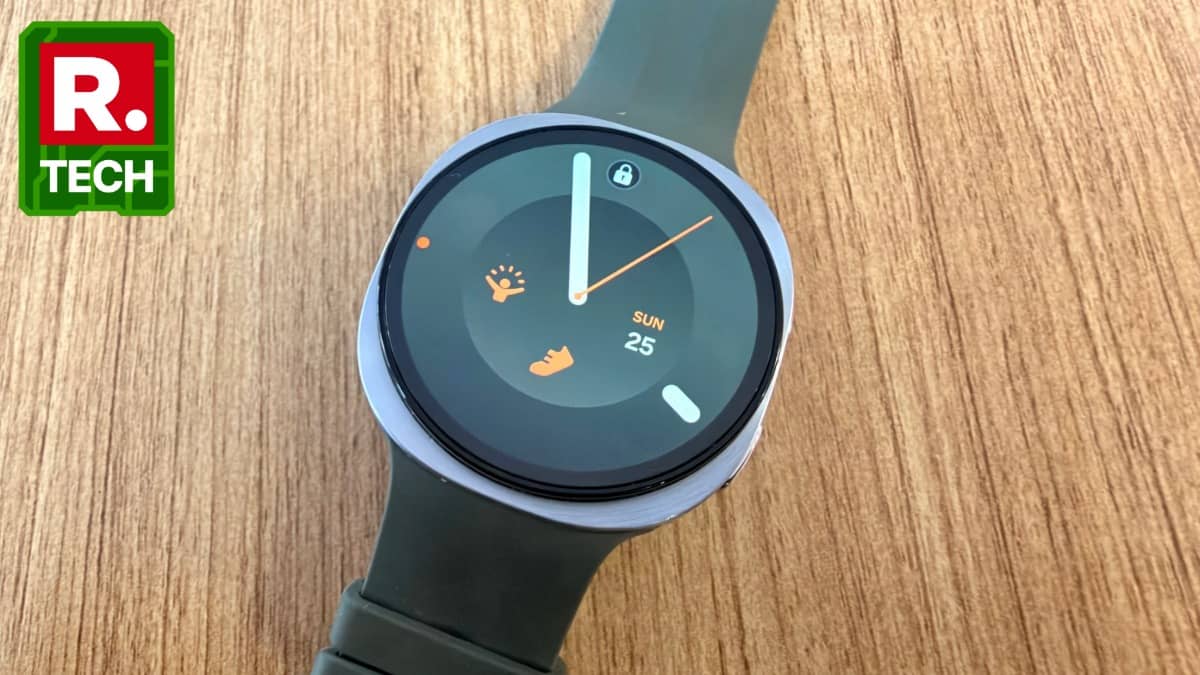
The display can reach up to 3,000 nits of peak brightness under specified conditions, making it easier to read outdoors. Whether I was checking the time in direct sunlight or glancing at workout information, visibility was rarely a problem.
The Always-On Display is useful if you prefer to check the time without raising your wrist, although keeping it enabled can affect battery life.
Performance is noticeably smoother
The Galaxy Watch 9 switches to Qualcomm's Snapdragon Wear Elite platform, replacing the Exynos W1000 used in the Watch8. It also has 2GB of RAM and 32GB of storage. The combination makes everyday interactions feel quick and responsive.
Apps open promptly, navigating menus feels smooth, and fitness tracking starts without unnecessary delays. I did not encounter significant lag during routine use.
The 32GB storage capacity is useful, too. You can install multiple apps and download music for offline playback through supported services such as Spotify. That is particularly handy when going for a run without carrying your phone.
You can also use Google Gemini directly from your wrist for supported voice tasks, such as finding information or managing certain activities. It adds another way to interact with the watch without having to navigate through multiple screens.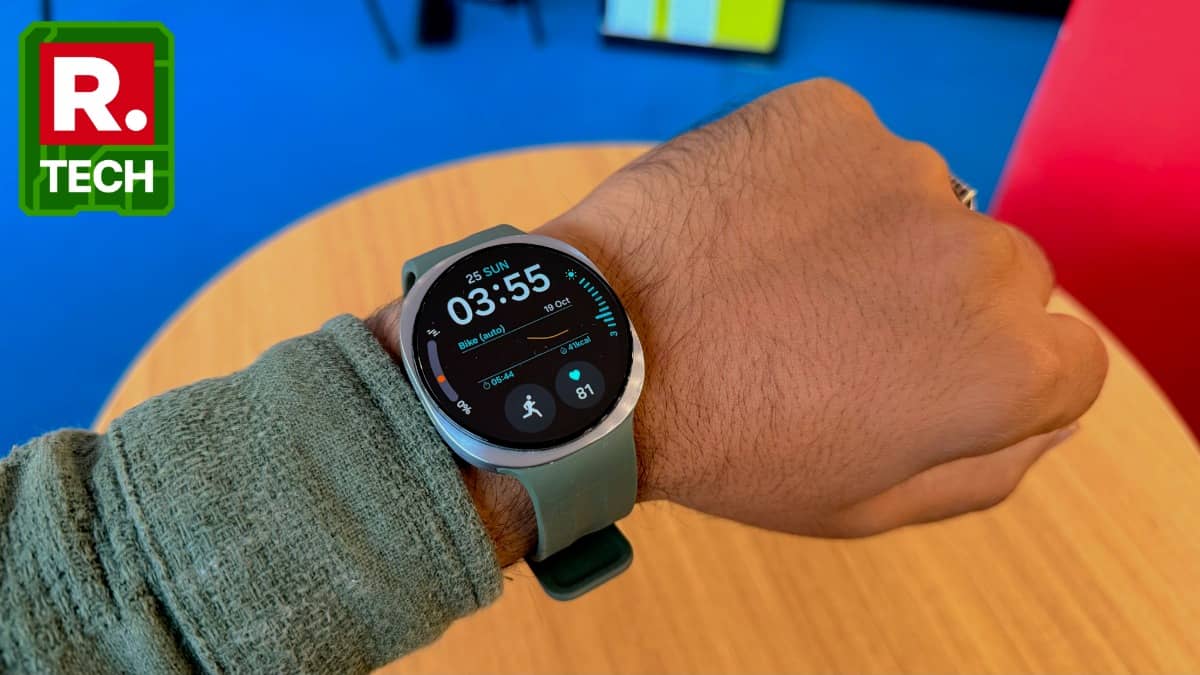
The Watch 9 is compatible with supported Android phones, but pairing it with a Samsung Galaxy smartphone unlocks the broadest set of health features. Some functions, including ECG and blood pressure monitoring, depend on Samsung Health Monitor, compatible Galaxy phones, and regional availability.
Health tracking provides useful everyday insights
The Galaxy Watch 9 tracks steps, heart rate, blood oxygen levels, sleep, and several other health indicators. In my experience, the step counter and vital measurements were mostly consistent with expectations, although readings can vary depending on fit, movement, and other factors.
The ECG feature is useful for checking heart rhythm patterns, while Samsung Health and Health Monitor bring the collected information together to provide a more comprehensive overview of your health.
However, these are wellness tools, not replacements for dedicated medical equipment or professional medical advice. ECG and blood pressure features have specific limitations, and blood pressure monitoring requires calibration with a suitable upper-arm monitor.
Energy Score is another useful feature. It combines information such as sleep, activity, and recovery indicators to estimate how prepared you might be for the day. Rather than looking at each measurement in isolation, I can use the score to understand whether my routine is supporting adequate recovery.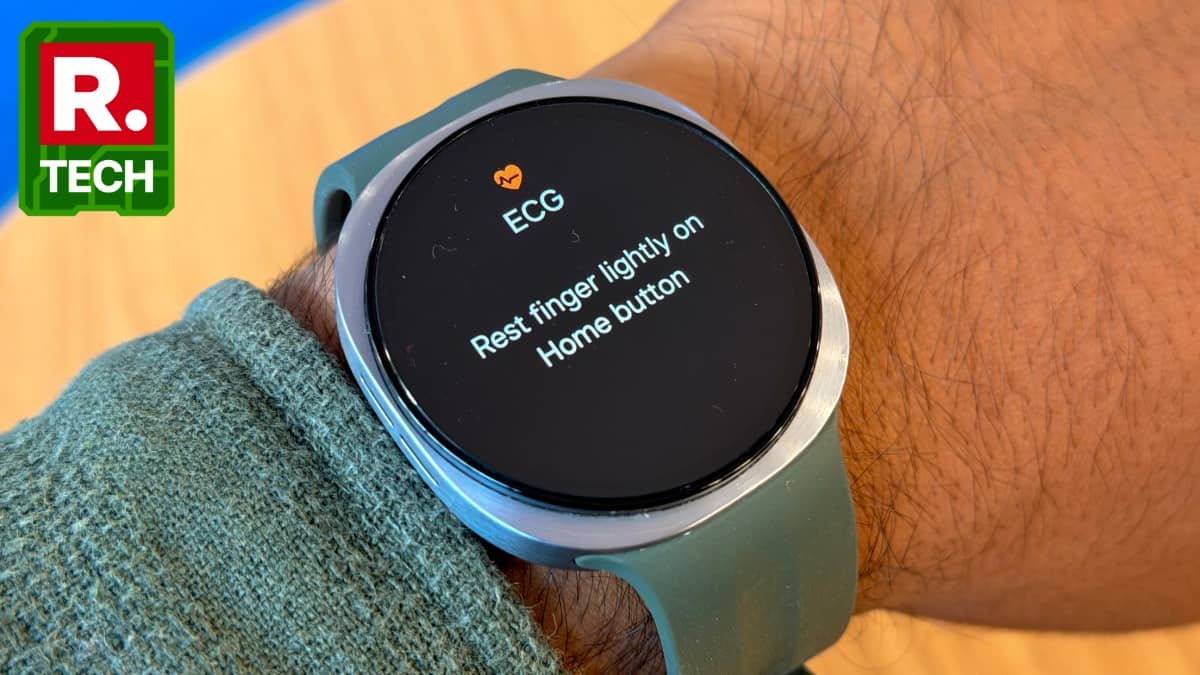
Samsung has also introduced Fitness Index and more personalised workout guidance, using information such as heart rate, activity, and estimated fitness levels to help users understand their progress.
These features are useful even if you are not a professional athlete. You do not need to train for a marathon to benefit from understanding how your sleep and daily activity affect your energy levels.
Sleep tracking is more comfortable than on the Ultra 2
Sleep tracking is one of the main reasons I would consider a smartwatch, and the Galaxy Watch 9 is better suited to overnight wear than the larger Ultra 2.
The 44mm model is relatively light, and the silicone strap remained comfortable while I slept. Samsung Health provides information about sleep duration and patterns, helping me identify inconsistencies in my routine.
The watch also offers Sleep Coaching, which uses your sleep data to establish a baseline and provide personalised guidance over several weeks. Samsung's sleep-apnoea risk detection feature is another addition, although availability depends on the market and applicable requirements.
I would not treat these features as diagnostic tools, but they can help identify patterns worth paying attention to. For me, that is the more practical role of a smartwatch: providing information that helps me make better decisions about everyday habits.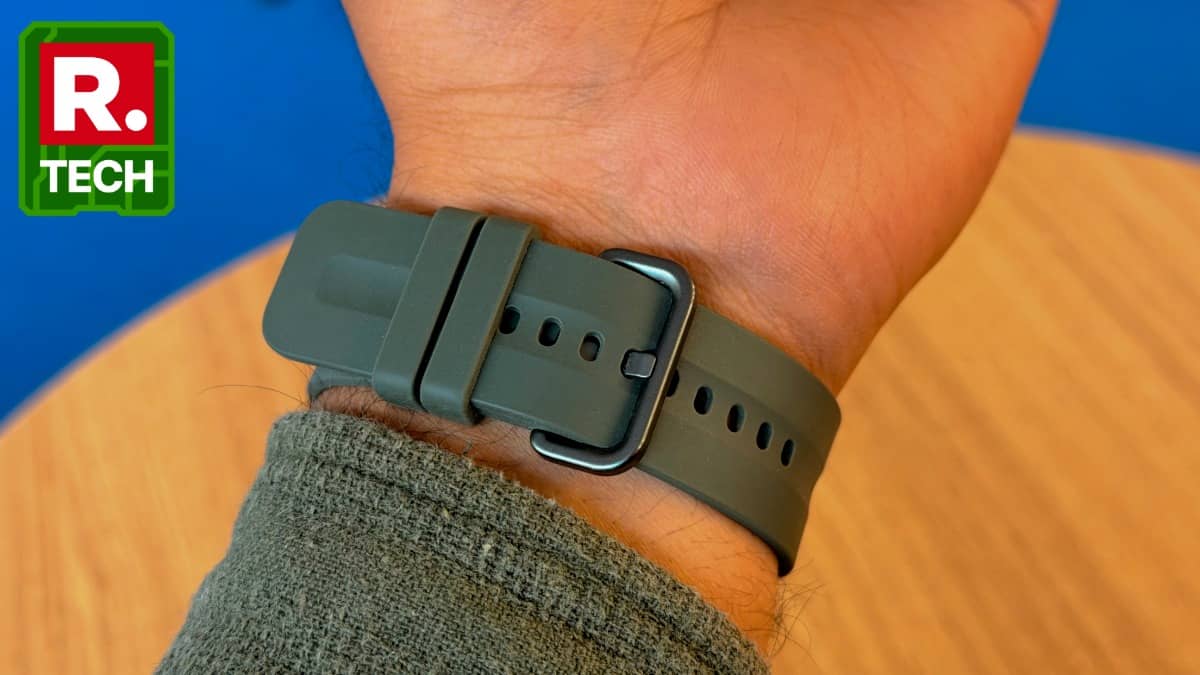
LTE and contactless payments add convenience
The model I tested supports LTE through an eSIM, which can be configured using the Galaxy Wearable app with a compatible carrier plan. This allows the watch to make calls and access supported connected services without depending entirely on a Bluetooth connection to a phone.
I did not need to make many calls directly from the watch, but the option is useful if you want to leave your phone behind during a workout or a quick trip outside.
The Galaxy Watch 9 also supports NFC-based contactless payments through compatible services. I did not test payments during my review, but the feature can be useful when you want to pay at a supported terminal without reaching for your phone or wallet.
What's Bad
Battery life remains a disappointment
The 44mm Galaxy Watch 9 has a 445mAh battery, which is larger than the battery in its predecessor. Samsung claims up to 40 hours of use with the Always-On Display disabled and up to 30 hours with it enabled. Actual endurance depends on settings and usage.
My experience was less impressive initially. Even with relatively modest use, limited calling, and intermittent health measurements, the battery drained faster than I expected. At first, I struggled to get through a day comfortably, although it initially managed around a day and a half before I had to recharge it.
A subsequent software update improved the situation considerably. The watch now comfortably lasts more than two days in my typical usage.
That is a welcome improvement, but battery life remains less impressive than I would like from a smartwatch intended to track sleep and health continuously. The whole point of wearing it overnight is to collect data, and having to charge it frequently can interrupt that routine.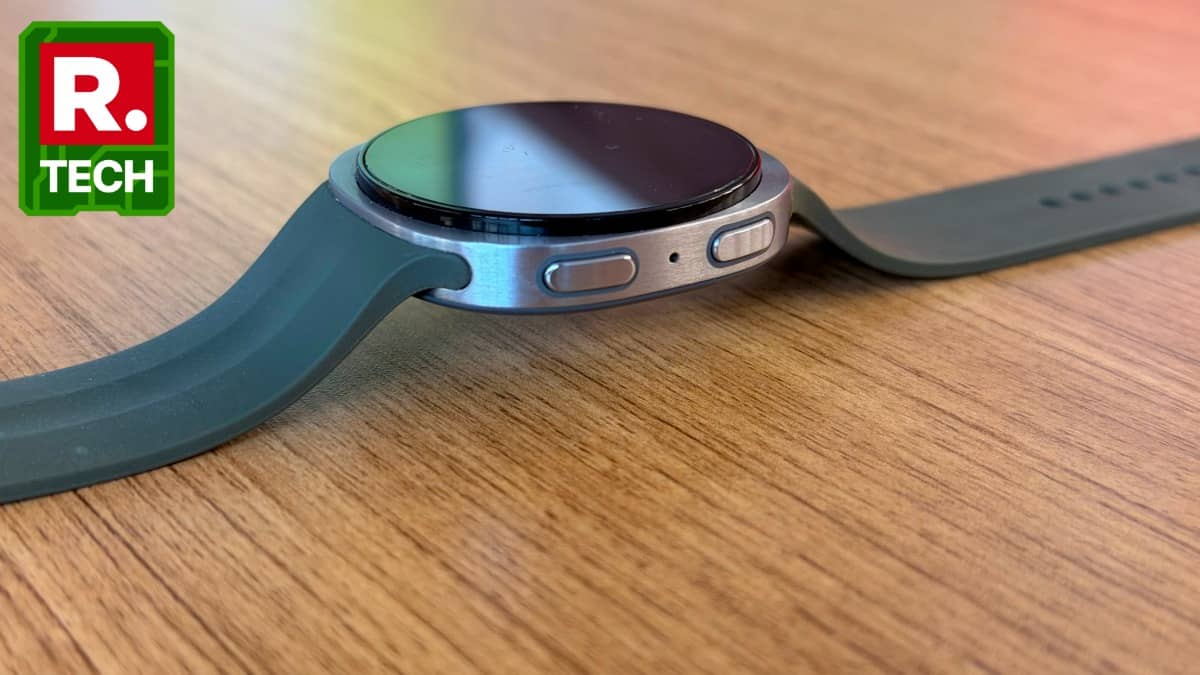
The upgrade over the Watch 8 is incremental
The faster processor and expanded health features are welcome, but the Galaxy Watch 9 does not look or feel radically different from the Watch 8.
The display dimensions and overall design remain familiar. The battery is larger, but the real-world improvement is not as substantial as I had hoped.
If you already own the Galaxy Watch 8, I would not recommend upgrading just for the sake of it. The Watch 9 makes more sense for people coming from older models or buying their first Samsung smartwatch.
LTE costs more than most people need to spend
The 44mm LTE model costs ₹44,999, while the 40mm Bluetooth version starts at ₹37,999. Samsung also offers the 44mm Bluetooth model at ₹40,999 and the 40mm LTE version at ₹41,999.
If you rarely leave your phone behind, the Bluetooth model is likely to be sufficient. LTE is useful, but it adds to the upfront cost and may require a separate carrier plan. I would choose the LTE version only if I expected to use its independent connectivity regularly.
Verdict
Rating: 3.5/5
The Samsung Galaxy Watch 9 is a well-rounded smartwatch with a comfortable design, a bright display, smooth performance, and a useful collection of health features. The Snapdragon Wear Elite platform makes everyday interactions noticeably faster, while Energy Score, Sleep Coaching, and the broader Samsung Health ecosystem help turn health measurements into more meaningful insights.
I particularly appreciate that the 44mm model is comfortable enough to wear overnight. That makes sleep tracking more practical than it is on a larger, heavier smartwatch.
The biggest drawback is battery life. The software update improved my experience, but I would still like Samsung to deliver more consistent endurance, especially for a device that is supposed to monitor health throughout the day and night.
At ₹44,999 for the LTE model, the Galaxy Watch 9 makes sense for Samsung users who want a capable everyday smartwatch with independent connectivity and detailed health tracking. The ₹37,999 Bluetooth model is the more sensible option if you do not need LTE.
If you already own the Watch 8, however, the improvements are not substantial enough to make upgrading essential. The Galaxy Watch 9 is a better proposition for those coming from an older smartwatch or entering Samsung's ecosystem for the first time.
Published By : Shubham Verma
Published On: 25 October 2026 at 16:58 IST