Apple Isn't Giving Up on the iPhone Air Yet, Despite Disappointing Sales
Earlier reports indicated that Apple had reduced production of the first-generation iPhone Air and delayed its successor after the device struggled to gain traction among buyers.
- Tech News
- 3 min read

;'%3e%3cpath%20d='m8,15.99c4.41,0,7.99-3.58,7.99-7.99S12.41,0,8,0,0,3.59,0,8s3.58,7.99,7.99,7.99Z'%20style='stroke:%23fff;%20stroke-miterlimit:10;%20stroke-width:.02px;'/%3e%3cpath%20d='m3.08,3.37l3.82,5.11-3.84,4.15h.87l3.37-3.64,2.72,3.64h2.94l-4.04-5.39,3.58-3.87h-.86l-3.1,3.35-2.5-3.35h-2.94Zm1.27.64h1.35l5.97,7.99h-1.35l-5.97-7.99Z'%20style='fill:%23fff;'/%3e%3c/g%3e%3c/svg%3e)


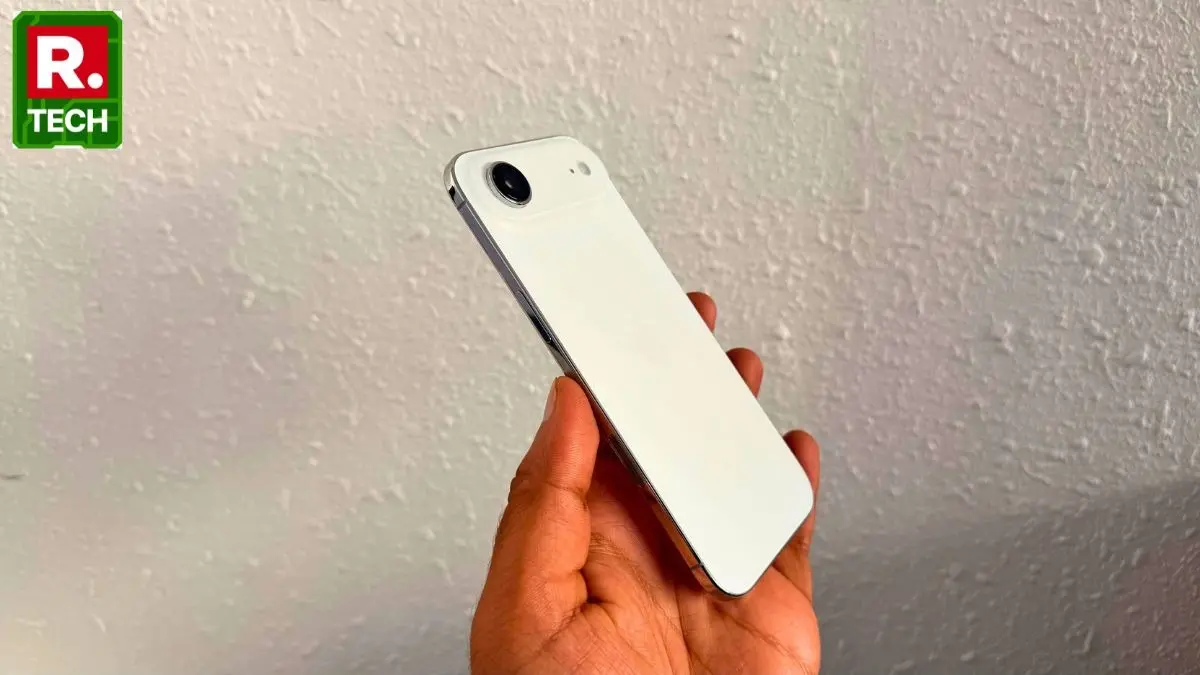
Apple is reportedly moving ahead with a second-generation iPhone Air, signalling that the company is not ready to abandon its ultra-thin smartphone strategy despite the underwhelming performance of the first model.
According to Bloomberg's Mark Gurman, Apple is preparing a successor to the iPhone Air for a Spring 2027 launch. The device, internally codenamed V62, has reportedly entered advanced testing, suggesting development is well underway.
The report is notable because it comes after months of speculation that Apple could scale back or even discontinue the Air lineup following lacklustre sales of the original model. Earlier reports indicated that Apple had reduced production of the first-generation iPhone Air and delayed its successor after the device struggled to gain traction among buyers.
Apple May Address One of the Biggest Complaints
One of the most significant upgrades tipped for the next-generation iPhone Air is the addition of a second rear camera. The first-generation model drew criticism for its single-camera setup, which many buyers viewed as a compromise too far, especially given its premium price positioning. Adding an ultra-wide camera would bring the Air closer to the rest of Apple's flagship lineup and could make it a more compelling option for consumers.
Advertisement
While Apple has not confirmed any specifications, reports suggest the company is evaluating additional improvements beyond the camera system as it seeks to strengthen the appeal of the ultra-thin handset.
Why the First iPhone Air Struggled
The iPhone Air was introduced as Apple's thinnest smartphone ever, borrowing its branding philosophy from the MacBook Air. However, the pursuit of an ultra-slim design came with trade-offs.
Advertisement
Reviewers and consumers pointed to concerns around battery life, camera capabilities, and audio performance compared with the Pro models. The device reportedly accounted for only a small portion of overall iPhone sales, raising questions about the future of the product line.
Apple has faced similar challenges before. The company eventually discontinued both the iPhone mini and iPhone Plus after they failed to attract sustained demand, despite strong critical reception in some markets.
A Long-Term Bet on Thin Phones
The decision to continue investing in the Air lineup suggests Apple still sees potential in ultra-thin smartphones as a distinct product category.
The company is expected to introduce its first foldable iPhone later this year, while also preparing several major hardware redesigns leading up to the iPhone's 20th anniversary in 2027. Against that backdrop, the Air appears to remain an important part of Apple's long-term strategy rather than a one-off experiment.
Whether the second-generation model can succeed where the original struggled will likely depend on how effectively Apple balances thinness with the practical features buyers expect. It turns out people like slim phones, but they also like batteries that last all day and cameras that do more than the bare minimum. A shocking development for product designers everywhere.